
Rare Vtg Swiss Made Minerva Rattrapante Stop Watch 9 Jewels
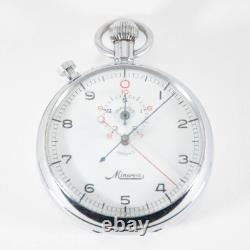
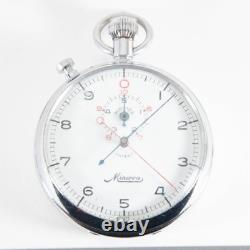
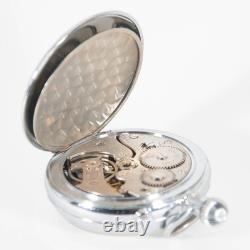
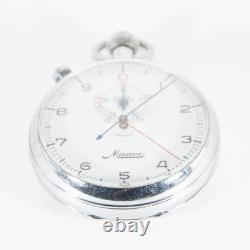
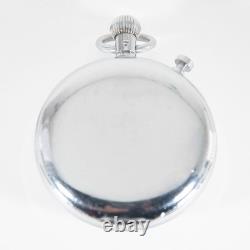
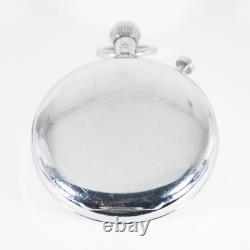
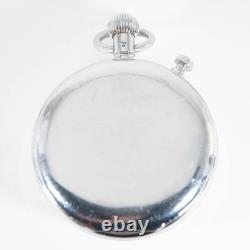
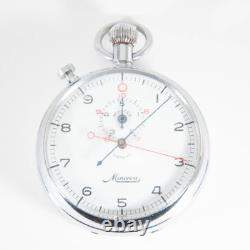
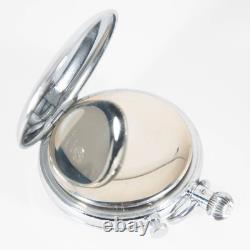
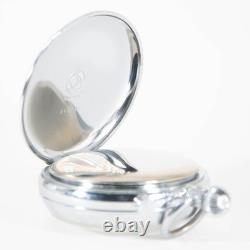
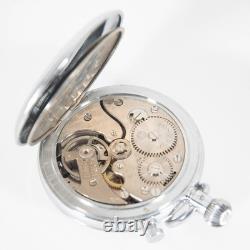
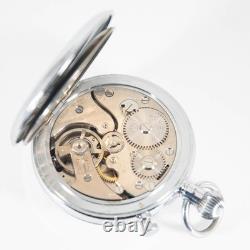
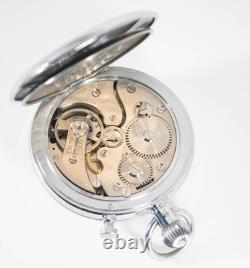

Runs good but rattrapante hand needs repair. Face and case have some light scratching. Rare Vintage Swiss Made Minerva Rattrapante Stop Watch 9 Jewels.
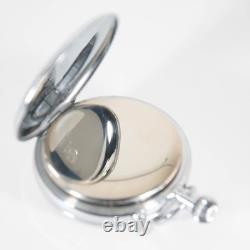
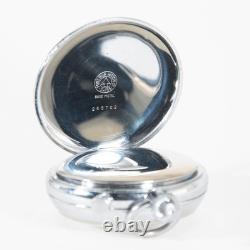
With number 285702 stamped on the inside back cover. Minerva 9 Jewels Stopwatch Overview. The Minerva 9 jewels stopwatch refers to a vintage mechanical stopwatch produced by Minerva Watch Co. Minerva's stopwatches were particularly influential in early 20th-century motor racing and scientific timing, with innovations like 1/100th-second accuracy dating back to 1916. The brand was acquired by Richemont in 2006 and integrated into Montblanc, but its vintage pieces remain highly collectible.
Key Features of the 9 Jewels Model. Jewels: 9 synthetic rubies used as friction-reducing bearings in the movement, a hallmark of quality in mid-20th-century Swiss watches (fewer jewels indicate simpler, more affordable designs compared to 17- or 21-jewel high-end models). Movement: Manual-wind mechanical caliber, often unadjusted for temperature/position (as noted in listings), with unbreakable coil springs in critical areas for durability. Accuracy: Typically measures to 1/10th or 1/100th of a second; some variants include split-second (rattrapante) functionality for timing multiple events. Nickel or chrome-plated or stainless steel, around 50mm diameter, with protective cases or rubber covers in some models.
Often features pushers for start/stop/reset and a crown for winding. Dial: White or black with Arabic numerals, central seconds hand, and sub-dials for minutes/seconds.
Markings like "Swiss Made, " "Unadjusted, ". Era: Primarily 1950s-1960s, though similar designs trace to earlier Minerva chronographs like the Calibre 19-9 (introduced 1908). This model is prized for its reliability and historical significance-Minerva supplied timing equipment to entities like the British Post Office (though those often had 11 jewels). The stopwatch has a "rattrapante" feature. While it is purposefully difficult to see, this stopwatch has two second hands - one on top of each other.
There is a small, fine red colored second hand under the main black second hand. If you look at the pictures, then you can see the tiny round red circle on the underlying second hand below the black second hand.
In normal stopwatch operation the smaller red second hand will stay hidden underneath the larger black second hand. The Small Red Second Hand Stops While Black Second Hand Continues. If the button on the side of the crown is pressed, then the small red hand will stop at the moment that button is pressed while the larger black second hand continues measuring the overall time.
This feature makes this stopwatch a "rattrapante" stopwatch. This "split" feature allows me to note the time that an action happened without stopping the main timing function of the stop watch. Pressing the button on the side of the crown again will cause the small red second hand to "catch up" with the larger black second hand and essentially disappear from view again.
There is no limit on the number of split times that can be measured. Pressing The Left Button Again Will Cause The Red Second Hand To Catch Up With The Black Second Hand. Once the main activity to be timed is finished, then the stopwatch can be stopped by pressing the center crown button. Pressing the button on the center crown will return the stopwatch second hand back to the zero position.